Regular socket or wallbox?
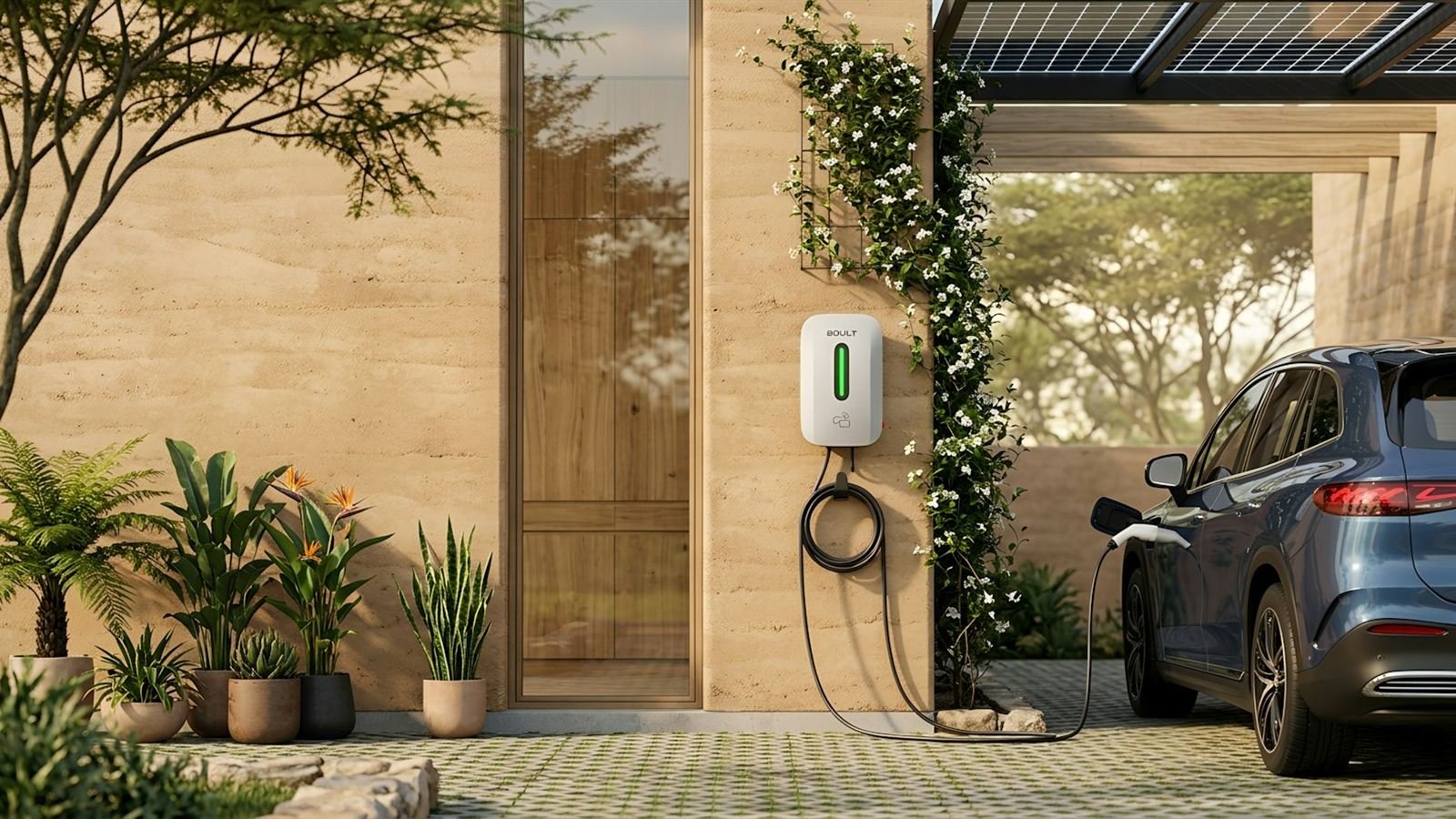
A regular socket charges very slowly, at about 2.3 kW, and is not designed to carry a heavy load for many hours every day. A wallbox charges three to five times faster, has built-in protection and can be controlled from your phone.
Single-phase or three-phase?
- 7.4 kW single-phase: roughly 40 km of range per hour of charging. Works with a standard single-phase supply.
- 11 kW three-phase: roughly 60 km per hour. Needs a three-phase supply.
Also check how much your car can accept. Many cars charge at up to 7.4 kW on AC, so a bigger charger will not make them faster.
What a proper installation includes
- A dedicated line from the fuse box with the right cable size.
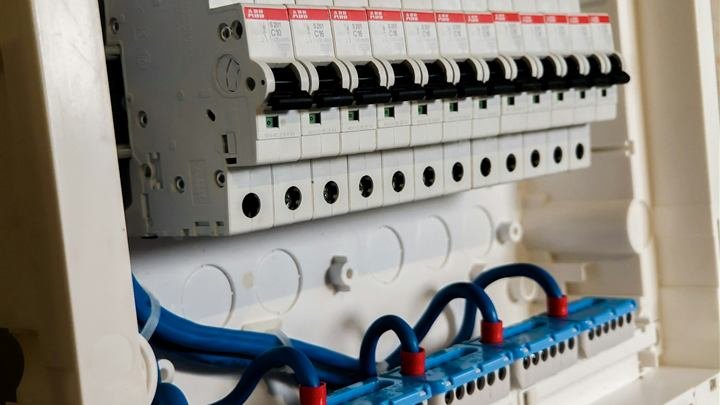
- Its own circuit breaker.
- An RCD type A with 6 mA DC detection, or type B. Many wallboxes already have the DC protection built in.
- Good earthing.
- Where needed, load management, so the main switch does not trip when the car charges while the oven or air conditioning is on.
In an apartment block
You can install a charger in your own parking space, supplied from your own meter. Greek law (4710/2020) does not require a decision of the general assembly; you inform the building manager in writing. We take care of the route of the cable through the common areas and the paperwork.